

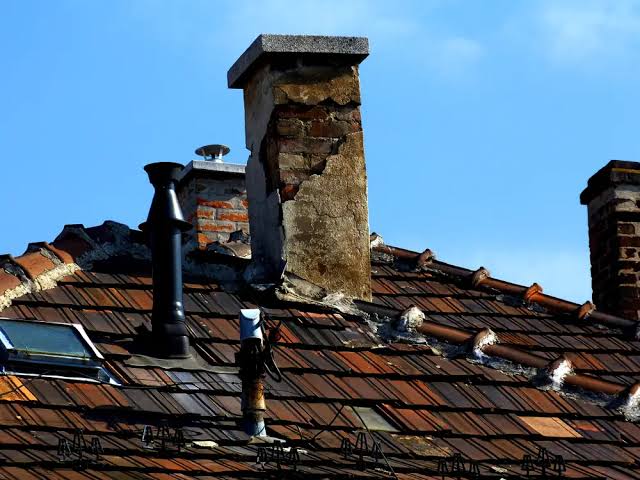
Why Chimney Repairs Should Never Be Delayed
Your chimney quietly protects your home every day, directing smoke, gases, and heat safely outside. Because it’s exposed to Vancouver’s frequent rainfall, fluctuating temperatures, and seasonal moisture, it naturally experiences wear over time. Unfortunately, many homeowners don’t notice problems until the damage has become serious.
What begins as a few loose bricks or a small crack can quickly develop into structural deterioration, water intrusion, and expensive masonry restoration. In severe cases, neglected damage can even create safety hazards for your family by allowing moisture, smoke, or harmful gases to enter your home.
Learning the signs your chimney needs repair can help you address problems early, reduce repair costs, and extend the life of your chimney system.
Whether your home is decades old or recently built, understanding these warning signs allows you to take action before small issues become costly emergencies. If you notice significant deterioration, scheduling a professional chimney inspection Vancouver homeowners trust is often the safest next step to identify hidden structural concerns.
Why Vancouver’s Climate Causes Chimney Damage
Vancouver’s climate creates unique challenges for masonry structures.
Rain falls throughout much of the year, and bricks naturally absorb moisture. As water penetrates the masonry, repeated wetting and drying gradually weaken mortar joints and bricks. Wind-driven rain also affects chimney crowns, flashing, and caps, while moss and organic growth can trap additional moisture against the masonry.
Over time, these conditions contribute to:
- Moisture penetration
- Brick deterioration
- Cracked mortar joints
- Chimney leaks
- Chimney crown damage
- Rusted flashing
- Structural movement
Without regular chimney maintenance Vancouver homeowners can face costly repairs that could have been prevented through routine inspections and timely maintenance.
1. Cracked Chimney Bricks
One of the earliest and most noticeable warning signs of chimney damage is cracked brickwork.
Although small hairline cracks may appear harmless, they often indicate that moisture has entered the masonry. As water expands and contracts with changing temperatures, even minor cracks can widen over time.
Common causes include:
- Age-related wear
- Constant exposure to rain
- Moisture infiltration
- Foundation movement
- Poor-quality mortar
- Previous repairs that have deteriorated
If ignored, cracked chimney bricks may eventually loosen, allowing entire sections of masonry to weaken.
Watch for:
- Horizontal cracks
- Vertical cracks
- Missing brick corners
- Loose masonry
- Pieces of brick around the base of the chimney
When these issues appear, they may require brick chimney repair Vancouver professionals can assess before more extensive restoration becomes necessary.
Ignoring cracked bricks often leads to larger structural concerns that are significantly more expensive to repair.
2. Deteriorating Mortar Joints
Bricks are only as strong as the mortar holding them together.
Over time, constant exposure to moisture causes mortar to erode, crack, and separate from surrounding bricks. This process leaves gaps that allow even more water to penetrate the chimney.
One of the most common chimney structural damage signs is deteriorating mortar joints between otherwise solid-looking bricks.
Signs include:
- Crumbling mortar
- Gaps between bricks
- Loose masonry
- Powdery mortar falling away
- Uneven brick alignment
As deterioration progresses, the chimney gradually loses structural integrity.
Professional chimney masonry repair often involves repointing the damaged joints with new mortar designed to withstand Vancouver’s wet climate. Addressing these areas early helps preserve the chimney while avoiding more extensive masonry restoration in the future.
If mortar damage is widespread, contractors may recommend chimney mortar repair Vancouver homeowners can complete before moisture reaches the interior structure.
3. Water Leaks Around Your Fireplace
Water should never enter your fireplace.
If you notice damp walls, staining, peeling paint, or a musty odor around your chimney, moisture has likely found a way inside.
Water intrusion commonly occurs because of:
- Damaged flashing
- Missing chimney caps
- Cracked crowns
- Open mortar joints
- Brick deterioration
Many homeowners first notice the problem after heavy rainfall.
This is why experts recommend scheduling a chimney inspection after heavy rain whenever new leaks appear.
Common symptoms include:
- Water dripping into the fireplace
- Wet ceilings
- Damp drywall
- Mold growth
- Musty smells
- Rust forming on fireplace components
Left untreated, these issues often require extensive chimney water damage repair in addition to repairing the source of the leak.
In many cases, professionals also perform chimney flashing repair Vancouver homeowners rely on to stop water from entering where the roof meets the chimney.
Since water damage spreads quickly, addressing leaks early is far less expensive than replacing damaged masonry, drywall, insulation, or framing.
4. White Stains on the Outside of the Chimney (Efflorescence)
Many homeowners assume the white powdery stains on their chimney are simply dirt.
In reality, these deposits—known as efflorescence—indicate that moisture is moving through the masonry.
As water travels through bricks, it dissolves natural salts. When the water evaporates, those salts remain on the surface as white streaks or powder.
Although the stains themselves are not dangerous, they are a clear warning that moisture is entering the chimney.
This often points to problems such as:
- Chimney leaks
- Chimney moisture damage
- Chimney crown damage
- Missing waterproofing
- Brick deterioration
- Worn mortar joints
If moisture continues entering the chimney unchecked, it can eventually cause chimney spalling bricks, where the surface of the bricks flakes, cracks, or breaks apart.
Professional inspections may recommend chimney waterproofing, crown repairs, or localized masonry repairs to eliminate the source of moisture rather than simply cleaning the stains.
Identifying this issue early can significantly reduce the likelihood of major structural repairs later.
Why Early Detection Saves Money
Many homeowners postpone repairs because the chimney still appears functional.
However, masonry damage rarely stays the same.
Small cracks become large cracks.
Loose mortar becomes missing mortar.
Minor leaks become widespread water damage.
What could have been addressed with routine maintenance often turns into expensive structural restoration.
Knowing how to know if your chimney needs repairs allows you to fix problems before they threaten your home’s safety or require emergency work. Preventive care also extends the lifespan of your chimney and helps preserve your property’s value.
In the next section, we’ll cover additional warning signs—including leaning chimneys, smoke problems, chimney crown damage, flashing failures, and when emergency chimney repair Vancouver services may be necessary.
5. Your Chimney Is Leaning or Appears to Be Pulling Away from the House
A chimney should always stand perfectly upright. If you notice that it appears to lean, tilt, or separate from the exterior wall, don’t ignore it. A leaning chimney is one of the most serious chimney structural damage signs and often indicates underlying problems with the foundation, masonry, or supporting structure.
This issue can develop gradually, making it difficult to notice until the movement becomes significant.
Common causes include:
- Foundation settlement
- Long-term moisture damage
- Deteriorating mortar joints
- Freeze-thaw cycles
- Aging masonry
- Poor construction or previous improper repairs
You may also notice:
- Gaps between the chimney and siding
- Interior wall cracks near the fireplace
- Uneven brick courses
- Doors or windows that suddenly become difficult to open near the chimney wall
A leaning chimney isn’t just a cosmetic issue—it can become a structural hazard if left unaddressed. Depending on the severity, repairs may involve stabilization, rebuilding damaged sections, or complete chimney restoration Vancouver homeowners trust for aging masonry systems.
If you suspect any movement, arrange a professional inspection as soon as possible. Early intervention is almost always less expensive than a full rebuild.
6. Smoke Is Entering Your Home Instead of Leaving Through the Chimney
A properly functioning chimney should create enough draft to safely carry smoke and combustion gases outdoors.
If smoke lingers inside your home or flows back into the living space, it may signal one or more underlying issues.
Common reasons include:
- Blocked flue
- Excessive creosote buildup
- Damaged chimney liner
- Poor airflow
- Chimney draft issues
- Structural damage inside the chimney
Besides being unpleasant, smoke entering your home can reduce indoor air quality and create potential health and safety concerns.
Watch for these warning signs:
- Smoke backing into the room
- Strong smoky odors
- Difficulty starting fires
- Poor fireplace performance
- Soot accumulating around the fireplace opening
Many of these problems can be identified during a routine chimney inspection, allowing technicians to recommend cleaning, repairs, or liner replacement before the damage worsens.
Regular chimney cleaning and a professional chimney sweep also help reduce creosote buildup, one of the leading causes of restricted airflow and chimney fires.
7. The Chimney Crown Is Cracked or Damaged
The chimney crown sits at the very top of the chimney and serves as the first line of defense against rainwater.
Its purpose is simple but critical: direct water away from the masonry.
Over time, exposure to sun, rain, and temperature changes can cause the crown to crack.
Once cracks develop, water begins entering the masonry below.
Signs of chimney crown damage include:
- Visible cracks on the top surface
- Missing concrete
- Standing water
- Moisture inside the fireplace
- Loose bricks near the top of the chimney
Ignoring crown damage allows moisture to spread deeper into the structure, accelerating brick deterioration and mortar failure.
Fortunately, early chimney crown repair Vancouver services can usually restore the protective barrier before extensive damage occurs.
8. Damaged or Rusted Chimney Flashing
Flashing is the metal seal installed where the chimney meets the roof.
Its job is to prevent rainwater from entering your home.
Because flashing is continuously exposed to weather, it may eventually loosen, rust, or separate from the roof.
Common chimney flashing issues include:
- Rust
- Lifted flashing
- Missing sealant
- Bent metal
- Open gaps
Symptoms often appear inside the home before homeowners notice exterior damage.
Look for:
- Ceiling stains
- Water dripping into the attic
- Damp insulation
- Mold growth
- Peeling paint
Ignoring flashing problems usually leads to more expensive structural repairs later.
Professional chimney leak repair often includes replacing damaged flashing, resealing joints, and checking nearby roofing materials for moisture damage.
If left untreated, persistent leaks may eventually require extensive damaged chimney repair, roof repairs, and interior restoration.
9. Bricks Are Flaking, Chipping, or Falling Apart
If the outer surface of your chimney bricks begins breaking away, you’re likely dealing with brick spalling.
This occurs when water penetrates masonry and repeatedly expands and contracts during seasonal temperature changes.
As the brick surface weakens, pieces begin separating from the face of the brick.
Typical symptoms include:
- Flaking brick surfaces
- Loose brick fragments
- Chipped corners
- Crumbling masonry
- Uneven brick texture
These are classic indicators of chimney brick deterioration repair becoming necessary.
Unfortunately, replacing a few damaged bricks is far less expensive than rebuilding an entire chimney.
Ignoring chimney spalling bricks often results in deeper structural deterioration, requiring more extensive brick repair or partial chimney reconstruction.
Waterproofing the masonry after repairs helps protect against future moisture penetration and extends the life of the chimney.
10. Your Chimney Hasn’t Been Professionally Inspected in Years
One of the biggest mistakes homeowners make is assuming that no visible damage means everything is fine.
In reality, many chimney problems begin inside the structure where they’re impossible to see from the ground.
Hidden issues may include:
- Internal moisture damage
- Damaged flue liners
- Small structural cracks
- Loose masonry
- Early-stage water intrusion
A routine chimney inspection Vancouver professionals perform can uncover these issues before they become major repairs.
Industry experts generally recommend inspections:
- Once each year for regularly used fireplaces
- Before buying or selling a home
- After severe storms
- Following earthquakes or significant structural movement
- Before the heating season begins
Routine inspections are one of the most cost-effective forms of chimney maintenance, helping homeowners avoid emergency repairs while extending the life of the entire chimney system.
Why You Should Schedule Repairs Before Vancouver’s Rainy Season
Vancouver’s wet climate is one of the primary reasons chimney damage progresses quickly.
Small cracks that appear during summer often allow significant amounts of rainwater into the masonry during fall and winter.
That’s why many professionals recommend chimney repair before winter Vancouver homeowners begin using their fireplaces more frequently.
Completing repairs before the rainy season offers several benefits:
- Prevents water intrusion
- Reduces freeze-thaw damage
- Protects mortar joints
- Improves fireplace performance
- Extends the lifespan of masonry
- Reduces long-term repair costs
Waiting until visible damage becomes severe often results in more extensive restoration work that could have been avoided with earlier maintenance.
Simple Maintenance Tips to Extend the Life of Your Chimney
While professional inspections remain essential, homeowners can also take proactive steps to reduce wear and identify problems early.
Inspect Your Chimney From the Ground
Look for:
- Missing bricks
- Cracked mortar
- Leaning masonry
- White staining
- Rusted flashing
Keep the Chimney Cap in Good Condition
A properly installed cap helps prevent:
- Rainwater entry
- Bird nests
- Debris buildup
- Animal intrusion
If the cap is loose or damaged, chimney cap installation or replacement can provide an effective first layer of protection.
Schedule Regular Cleaning
Annual chimney cleaning removes soot, debris, and creosote buildup, helping maintain safe airflow and reducing fire risks.
Address Minor Problems Promptly
Small repairs completed today are almost always less expensive than waiting until structural damage develops.
When Should You Call a Professional?
If you notice cracked masonry, persistent water leaks, smoke problems, loose bricks, or signs of structural movement, it’s time to arrange an inspection.
Delaying repairs increases both safety risks and overall repair costs.
Some situations require residential chimney repair immediately, while others may simply need preventive maintenance. A qualified masonry professional can determine the condition of your chimney and recommend the most appropriate solution.
For homeowners experiencing severe structural movement, large cracks, or significant water intrusion, emergency chimney repair Vancouver services may be necessary to stabilize the structure and prevent further damage.
In the final part of this guide, we’ll answer the most frequently asked questions homeowners have about chimney repairs, maintenance costs, inspections, and how to keep your chimney in excellent condition throughout Vancouver’s changing seasons.
Frequently Asked Questions
What are the signs of chimney damage?
Some of the most common signs of chimney damage include cracked bricks, crumbling mortar joints, white staining (efflorescence), water leaks around the fireplace, smoke entering your home, rusted flashing, a damaged chimney crown, and loose or missing bricks. You may also notice unpleasant odors, moisture inside the fireplace, or visible gaps between the chimney and your home’s exterior. Identifying these warning signs early can help prevent expensive structural repairs.
How do I know if my chimney needs repairs?
If you notice moisture problems, visible cracks, leaning masonry, loose bricks, deteriorating mortar, or poor fireplace performance, your chimney should be inspected by a professional. Even if no obvious damage is visible, an annual inspection can uncover hidden issues inside the flue or masonry before they become costly.
Can a cracked chimney be repaired?
Yes. Most cracked chimneys can be repaired if the damage is identified early. Minor cracks may require repointing, sealing, or replacing individual bricks, while larger structural cracks may involve rebuilding portions of the chimney. The appropriate repair depends on the extent of the damage and the condition of the surrounding masonry.
How much does chimney repair cost in Vancouver?
Repair costs vary depending on the type and severity of the damage. Repointing mortar joints, repairing flashing, replacing a chimney crown, or waterproofing are generally less expensive than rebuilding large sections of masonry. Scheduling regular inspections and addressing small problems early can significantly reduce long-term repair costs.
Is a leaking chimney dangerous?
Yes. A leaking chimney should never be ignored. Water can weaken bricks, deteriorate mortar, damage ceilings and walls, encourage mold growth, and reduce the structural integrity of the chimney. Over time, untreated moisture can lead to extensive masonry repairs and interior restoration.
What causes chimney bricks to crack?
Several factors contribute to cracked chimney bricks, including prolonged exposure to rain, moisture absorption, freeze-thaw cycles, foundation settlement, aging materials, and poor maintenance. Vancouver’s wet climate can accelerate these issues, making routine inspections especially important for homeowners.
Should I repair my chimney before winter?
Yes. Completing repairs before winter helps prevent water from entering existing cracks and reduces the risk of additional deterioration during colder months. A well-maintained chimney also improves fireplace performance and provides greater peace of mind throughout the heating season.
How often should a chimney be inspected?
A professional chimney inspection is recommended at least once a year, particularly if you regularly use your fireplace. Additional inspections may be advisable after severe storms, earthquakes, heavy rainfall, or before purchasing an older home.
What happens if chimney damage is ignored?
Ignoring chimney damage often allows small problems to become major structural issues. Cracks can widen, moisture can penetrate deeper into the masonry, mortar may continue to deteriorate, and loose bricks can eventually become safety hazards. Delayed repairs are typically more extensive and more expensive than addressing problems early.
Can heavy rain damage a chimney?
Yes. Vancouver receives significant rainfall throughout the year, and prolonged exposure to moisture is one of the leading causes of chimney deterioration. Water can enter through cracked crowns, damaged flashing, deteriorating mortar, or missing chimney caps, eventually causing brick damage, leaks, and structural weakening.
Chimney Maintenance Checklist for Vancouver Homeowners
Regular maintenance is one of the best ways to extend the lifespan of your chimney and avoid unexpected repair bills.
Use this checklist throughout the year:
✔ Inspect the chimney after periods of heavy rain.
✔ Check for cracked chimney bricks or loose masonry.
✔ Look for deteriorating mortar joints.
✔ Watch for white staining or signs of moisture.
✔ Ensure the chimney cap is secure and undamaged.
✔ Examine flashing around the roofline.
✔ Schedule annual chimney inspections.
✔ Arrange chimney cleaning if you regularly use your fireplace.
✔ Repair small cracks before they spread.
✔ Consider chimney waterproofing to reduce moisture penetration.
Following these simple steps can help protect your home’s masonry from Vancouver’s wet climate while reducing the likelihood of major repairs.
Why Professional Inspections Matter
Although homeowners can identify many visible warning signs, some of the most serious chimney problems develop inside the structure, where they remain hidden until significant damage has already occurred.
Professional inspections provide a comprehensive evaluation of the chimney’s condition, including the masonry, crown, flashing, flue, and other critical components. Early detection allows repairs to be completed before structural deterioration progresses, helping homeowners save money while maintaining a safe and efficient fireplace system.
Routine inspections also help identify maintenance opportunities that improve the longevity of the chimney and reduce the risk of future water intrusion.
Final Thoughts
Your chimney is constantly exposed to rain, moisture, temperature fluctuations, and years of natural wear. While many forms of damage begin as small cosmetic issues, they can quickly develop into costly structural problems if left untreated.
Recognizing the signs your chimney needs repair—such as cracked bricks, deteriorating mortar joints, chimney leaks, smoke problems, or a damaged chimney crown—allows you to take action before repairs become more extensive and expensive.
For Vancouver homeowners, preventive maintenance is one of the smartest investments you can make. Regular inspections, timely repairs, and proper waterproofing help preserve the strength of your chimney, improve fireplace safety, and protect your home from unnecessary moisture damage.
If you’ve noticed any of the warning signs discussed in this guide, consider scheduling a professional inspection. Addressing minor issues today can prevent larger repairs tomorrow and help ensure your chimney continues to perform safely for years to come