

10 Signs Your Vancouver Chimney Needs Immediate Repairs Before Minor Damage Turns Into a Major Expense
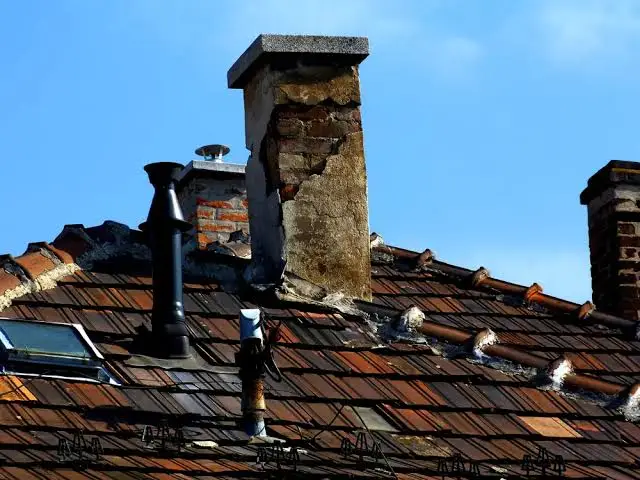
Why Chimney Repairs Should Never Be Delayed Your chimney quietly protects your home every day, directing smoke, gases, and heat safely outside. Because it’s exposed to Vancouver’s frequent rainfall, fluctuating temperatures, and seasonal moisture, it naturally experiences wear over time. Unfortunately, many homeowners don’t notice problems until the damage has become serious. What begins as a few loose bricks or a small crack can quickly develop into structural deterioration, water intrusion, and expensive masonry restoration. In severe cases, neglected damage can even create safety hazards for your family by allowing moisture, smoke, or harmful gases to enter your home. Learning the signs your chimney needs repair can help you address problems early, reduce repair costs, and extend the life of your chimney system. Whether your home is decades old or recently built, understanding these warning signs allows you to take action before small issues become costly emergencies. If you notice significant deterioration, scheduling a professional chimney inspection Vancouver homeowners trust is often the safest next step to identify hidden structural concerns. Why Vancouver’s Climate Causes Chimney Damage Vancouver’s climate creates unique challenges for masonry structures. Rain falls throughout much of the year, and bricks naturally absorb moisture. As water penetrates the masonry, repeated wetting and drying gradually weaken mortar joints and bricks. Wind-driven rain also affects chimney crowns, flashing, and caps, while moss and organic growth can trap additional moisture against the masonry. Over time, these conditions contribute to: Without regular chimney maintenance Vancouver homeowners can face costly repairs that could have been prevented through routine inspections and timely maintenance. 1. Cracked Chimney Bricks One of the earliest and most noticeable warning signs of chimney damage is cracked brickwork. Although small hairline cracks may appear harmless, they often indicate that moisture has entered the masonry. As water expands and contracts with changing temperatures, even minor cracks can widen over time. Common causes include: If ignored, cracked chimney bricks may eventually loosen, allowing entire sections of masonry to weaken. Watch for: When these issues appear, they may require brick chimney repair Vancouver professionals can assess before more extensive restoration becomes necessary. Ignoring cracked bricks often leads to larger structural concerns that are significantly more expensive to repair. 2. Deteriorating Mortar Joints Bricks are only as strong as the mortar holding them together. Over time, constant exposure to moisture causes mortar to erode, crack, and separate from surrounding bricks. This process leaves gaps that allow even more water to penetrate the chimney. One of the most common chimney structural damage signs is deteriorating mortar joints between otherwise solid-looking bricks. Signs include: As deterioration progresses, the chimney gradually loses structural integrity. Professional chimney masonry repair often involves repointing the damaged joints with new mortar designed to withstand Vancouver’s wet climate. Addressing these areas early helps preserve the chimney while avoiding more extensive masonry restoration in the future. If mortar damage is widespread, contractors may recommend chimney mortar repair Vancouver homeowners can complete before moisture reaches the interior structure. 3. Water Leaks Around Your Fireplace Water should never enter your fireplace. If you notice damp walls, staining, peeling paint, or a musty odor around your chimney, moisture has likely found a way inside. Water intrusion commonly occurs because of: Many homeowners first notice the problem after heavy rainfall. This is why experts recommend scheduling a chimney inspection after heavy rain whenever new leaks appear. Common symptoms include: Left untreated, these issues often require extensive chimney water damage repair in addition to repairing the source of the leak. In many cases, professionals also perform chimney flashing repair Vancouver homeowners rely on to stop water from entering where the roof meets the chimney. Since water damage spreads quickly, addressing leaks early is far less expensive than replacing damaged masonry, drywall, insulation, or framing. 4. White Stains on the Outside of the Chimney (Efflorescence) Many homeowners assume the white powdery stains on their chimney are simply dirt. In reality, these deposits—known as efflorescence—indicate that moisture is moving through the masonry. As water travels through bricks, it dissolves natural salts. When the water evaporates, those salts remain on the surface as white streaks or powder. Although the stains themselves are not dangerous, they are a clear warning that moisture is entering the chimney. This often points to problems such as: If moisture continues entering the chimney unchecked, it can eventually cause chimney spalling bricks, where the surface of the bricks flakes, cracks, or breaks apart. Professional inspections may recommend chimney waterproofing, crown repairs, or localized masonry repairs to eliminate the source of moisture rather than simply cleaning the stains. Identifying this issue early can significantly reduce the likelihood of major structural repairs later. Why Early Detection Saves Money Many homeowners postpone repairs because the chimney still appears functional. However, masonry damage rarely stays the same. Small cracks become large cracks. Loose mortar becomes missing mortar. Minor leaks become widespread water damage. What could have been addressed with routine maintenance often turns into expensive structural restoration. Knowing how to know if your chimney needs repairs allows you to fix problems before they threaten your home’s safety or require emergency work. Preventive care also extends the lifespan of your chimney and helps preserve your property’s value. In the next section, we’ll cover additional warning signs—including leaning chimneys, smoke problems, chimney crown damage, flashing failures, and when emergency chimney repair Vancouver services may be necessary. 5. Your Chimney Is Leaning or Appears to Be Pulling Away from the House A chimney should always stand perfectly upright. If you notice that it appears to lean, tilt, or separate from the exterior wall, don’t ignore it. A leaning chimney is one of the most serious chimney structural damage signs and often indicates underlying problems with the foundation, masonry, or supporting structure. This issue can develop gradually, making it difficult to notice until the movement becomes significant. Common causes include: You may also notice: A leaning chimney isn’t just a cosmetic issue—it can become a structural hazard if left unaddressed. Depending on the
How Often Should You Schedule a Chimney Sweep? The Complete Vancouver Homeowner’s Guide
If you own a home with a fireplace anywhere in the Lower Mainland, you’ve probably asked yourself at some point: how often should you schedule a chimney sweep? It’s a fair question, and the honest answer is that it depends on how you use your fireplace, what type of chimney you have, and how much creosote and debris build up over a season of Vancouver’s damp winters. This guide breaks down exactly when to book a chimney sweep, what a professional chimney sweep actually does, the warning signs that your chimney needs attention right now, and how regular chimney maintenance protects your home, your family, and your wallet. At Red Brick Masonry, we’ve inspected and cleaned chimneys across Vancouver, Surrey, and Burnaby for years, and we see the same pattern every fall: homeowners wait until the first cold snap to think about chimney safety, then scramble to book a service before winter. This guide is designed to help you plan ahead, understand the real recommendations from fire safety authorities, and know exactly what to expect from a professional chimney sweep service. Why Chimney Sweeping Matters More Than You Think A chimney does more than vent smoke. It’s a ventilation system that carries hot gases, sparks, and byproducts of combustion safely out of your home. Every time you burn wood or run a gas fireplace, a residue called creosote forms inside the flue liner. Creosote is a black, tar-like substance that is highly flammable, and it builds up in layers over time. Left unchecked, creosote buildup is the leading cause of residential chimney fires in North America. Beyond fire risk, a dirty or blocked chimney creates ventilation problems. Blockages from soot, debris, or even a bird nest can force smoke and carbon monoxide back into your living space instead of outside. This is why chimney safety isn’t just a maintenance item on a checklist; it’s a core part of protecting your household from fire hazards and indoor air quality issues that can turn dangerous quickly. How Often Should You Schedule a Chimney Sweep? The Chimney Safety Institute of America (CSIA) and the National Fire Protection Association (NFPA) both recommend that chimneys, fireplaces, and vents be inspected at least once a year, and swept whenever the inspection shows enough soot or creosote buildup to warrant it. In practice, that means most homes should plan on an annual chimney inspection at minimum, with cleaning frequency adjusted based on how the fireplace is actually used. Wood-Burning Chimneys If you have a wood-burning fireplace or wood stove that gets regular use through the fall and winter, plan for a professional chimney sweep once a year, ideally before the heating season starts. Households that burn wood frequently, several times a week during winter, or burn unseasoned or wet wood, tend to produce more creosote and may need a mid-season check as well. As a general rule of thumb, chimney sweeps recommend cleaning a wood-burning flue after roughly every cord of wood burned, which for an average household lines up closely with an annual chimney sweep. Gas Fireplace Chimneys Gas fireplaces burn cleaner than wood, but that doesn’t mean they’re maintenance-free. Gas fireplace maintenance should still include an annual inspection to check the venting system, look for corrosion, confirm the burner and pilot components are functioning correctly, and clear out any debris, insects, or nesting materials that can build up in a flue that isn’t used as intensively as a wood-burning one. Many homeowners are surprised to learn that gas fireplace chimneys still need yearly attention, even though they don’t produce creosote the way wood fires do. Factors That Change Your Chimney Cleaning Schedule Signs Your Chimney Needs Cleaning You don’t always have to wait for your annual chimney inspection to know something’s wrong. Watch for these warning signs that indicate it’s time to book a chimney sweep sooner rather than later: If any of these sound familiar, don’t wait for the next fire to see how it goes. A blocked or creosote-lined flue is a fire hazard and a carbon monoxide risk, and it’s far cheaper to address early than after a chimney fire or costly repair. The Benefits of Regular Chimney Sweeping Scheduling routine chimney maintenance isn’t just about avoiding worst-case scenarios. It also keeps your fireplace performing the way it should. Fire Prevention Removing creosote and soot buildup is the single most effective way to prevent chimney fires. A clean flue simply has far less fuel available to ignite. Better Fireplace Efficiency A clear chimney flue improves draft, which means your fireplace burns more efficiently, produces less smoke indoors, and heats your room more effectively. Improved Air Quality Regular sweeping reduces the chance of smoke, soot, and carbon monoxide leaking back into your living space, protecting your family’s indoor air quality. Longer Chimney Lifespan Creosote and moisture combine to accelerate deterioration of your flue liner and masonry. Routine cleaning and inspection catch small issues, like a cracked liner or damaged chimney cap, before they become expensive structural repairs. Fewer Blockages Regular inspection catches bird nests, leaves, and other blockages before they force smoke back into your home or create a fire hazard. When Is the Best Time of Year for Chimney Cleaning? The best time of year for chimney cleaning is late summer through early fall, before the first fire of the season. Booking a chimney sweep before winter means your fireplace is ready to go the moment temperatures drop, and it also means you’re not competing with every other homeowner in Vancouver, Surrey, and Burnaby who waits until the last minute. Chimney sweep companies get busy fast once the weather turns, so scheduling in September or October is the smart move for anyone who wants a fireplace ready for the first cold night without a wait. If your fireplace sees heavy use throughout the winter, a second inspection partway through the season, or right after winter ends, is a good habit as well. This catches any buildup from a heavy-use winter before
Why Is My Chimney Leaking? Causes and Fixes for Vancouver Homeowners
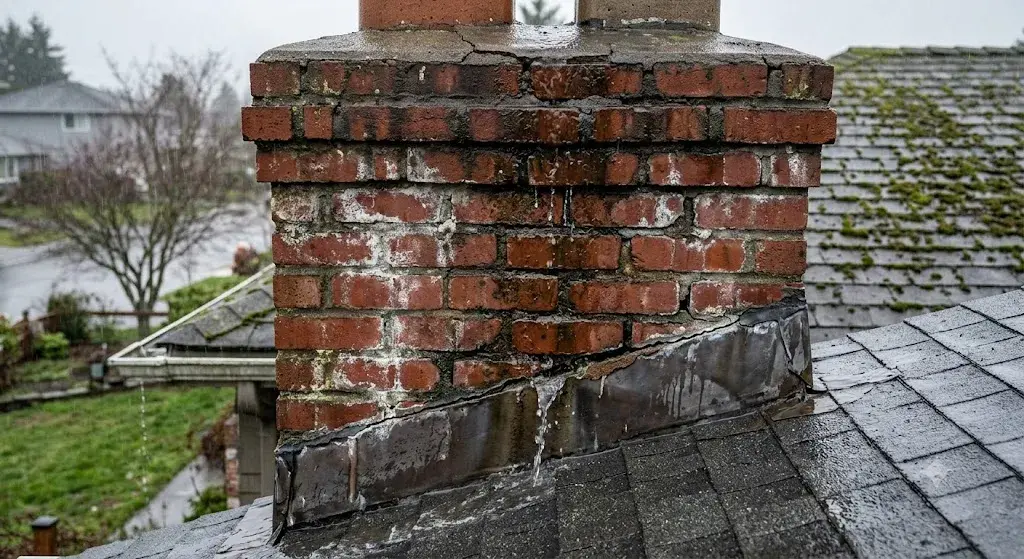
If you’ve noticed water dripping into your fireplace, damp patches on the ceiling near your chimney, or a musty smell coming from your hearth after a rainstorm, you’re not alone. Chimney leaks are one of the most common — and most misunderstood — home repair problems in the Lower Mainland. Vancouver’s climate, with its heavy rainfall from October through April, makes chimneys here especially vulnerable to water intrusion. The tricky part? A leaking chimney rarely announces itself clearly. Water has a way of travelling far from its point of entry, which means a leak at the top of your chimney might not show up as a stain until it’s already soaked through your attic, insulation, and drywall. By then, you’re often dealing with far more than just a chimney problem. This guide covers everything Vancouver homeowners need to know: why chimneys leak, where to look, how to fix each cause, and when to call a professional chimney repair specialist rather than tackling it yourself. Understanding Why Vancouver Chimneys Are Especially at Risk Before diving into specific causes, it helps to understand why chimneys are so vulnerable to moisture damage in the first place — and why Vancouver’s climate makes that vulnerability worse. A chimney is essentially a masonry column that extends through your roof and sits fully exposed to the elements 365 days a year. It deals with heat from below and cold, wet weather from above. The bricks, mortar, and cement that make up a typical chimney are all porous to varying degrees, meaning they absorb moisture like a sponge during rain events. In Vancouver and the surrounding area — including Burnaby, North Vancouver, Surrey, and Coquitlam — annual rainfall averages between 1,100 mm and 1,600 mm depending on location. That’s a relentless amount of water hammering a structure that’s baked by the sun through summer and then saturated through fall and winter. Freeze-thaw cycles in the shoulder seasons (late fall and early spring) accelerate deterioration further, as water trapped inside bricks and mortar expands when it freezes and cracks the material apart from within. All of this means that a chimney that was perfectly serviceable a few years ago can develop serious moisture problems fairly quickly — especially if routine maintenance has been skipped. 8 Common Causes of a Leaking Chimney (and How to Fix Each One) 1. Missing or Damaged Chimney Cap The chimney cap is the metal cover that sits at the very top of your flue opening. It’s the chimney’s first and most important line of defence against rain, and if it’s missing, broken, or improperly fitted, water will pour directly into the flue every time it rains. A missing chimney cap isn’t just a leak risk — it also invites birds, squirrels, and raccoons to nest inside your flue, which creates additional blockage and fire hazards. What to look for: Look up at your roofline from the ground. If you can’t see a cap sitting over the flue opening, or if you can see one that’s visibly rusted, cracked, or sitting askew, that’s your problem. How to fix it: A stainless steel chimney cap with a mesh skirt is the gold standard. Galvanized caps are cheaper but rust within a few years in Vancouver’s wet climate — stainless steel is well worth the extra investment. If you’re comfortable on a roof, this is one of the few chimney repairs that a handy homeowner can manage themselves. Make sure the cap fits securely over the full flue opening and is fastened properly. If you have multiple flues, each one needs its own cap. Cost estimate: $150–$500 installed, depending on flue size and cap style. 2. Cracked or Deteriorated Chimney Crown The chimney crown (sometimes called the chimney wash) is the mortar slab that covers the top of the chimney structure, surrounding the flue liner. Think of it as the chimney’s roof. It slopes slightly outward to direct water away from the flue and off the sides of the chimney. When the crown cracks — which it will, eventually, due to thermal expansion, freeze-thaw cycling, and general aging — water seeps through those cracks and runs down inside the chimney structure. This is one of the most common causes of a leaking chimney in older Vancouver homes. What to look for: Visible cracks running across the top of your chimney’s mortar slab. Even hairline cracks should be taken seriously; they widen quickly with each winter freeze-thaw cycle. How to fix it: Small, surface cracks (less than about 3mm wide) can sometimes be repaired with a flexible crown sealant or brushable crown coat product. These products are formulated to flex with thermal movement and bond well to existing mortar. For larger cracks or a crown that’s structurally compromised, the right fix is to chip out the old crown entirely and pour a new one using a cement-based mix with appropriate reinforcement. This is not a DIY job for most homeowners — a faulty repair that fails the following winter will leave you in a worse position than before. Cost estimate: $400–$2,200 depending on severity and accessibility. 3. Damaged or Improperly Installed Chimney Flashing Flashing is the waterproof metal barrier — typically aluminum, galvanized steel, or copper — that seals the joint where your chimney meets your roof. It’s installed in two layers: a base layer (step flashing) that weaves between roof shingles, and a counter flashing that’s embedded into the chimney mortar and laps over the step flashing. When flashing fails, water doesn’t just drip into the flue — it enters the gap between the chimney and the roof deck, which means it can spread across a large area of your ceiling. A flashing leak often gets mistaken for a general roof leak, which is why homeowners sometimes replace shingles unnecessarily before the real culprit is identified. Flashing fails for several reasons: the sealant along the edges dries out and shrinks, mortar joints holding the counter flashing loosen, or the flashing itself corrodes. In Vancouver, galvanized
Chimney Repair Cost in Vancouver: What to Expect in 2026
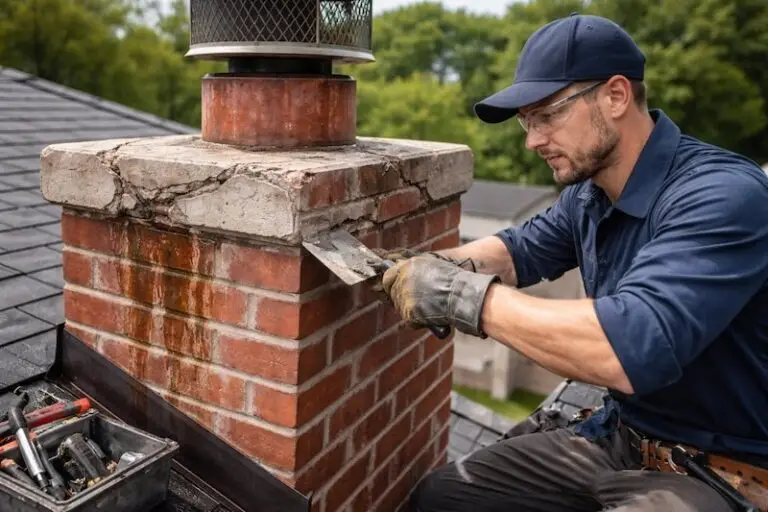
Quick answer: Most Vancouver homeowners pay $150 to $3,500 for chimney repairs, depending on the issue — minor jobs like cap or crown repair sit at the low end, while repointing, spalling brick repair, or a partial rebuild push costs higher. Based on verified homeowner data from HomeStars, the average chimney repair or rebuild project in Vancouver runs around $2,683. Structural work like a leaning chimney fix or full rebuild can reach $10,000+. The only way to know your real number is a professional inspection, which typically costs $120 to $350. If you own a home in Vancouver and use a fireplace, your chimney is quietly doing some of the hardest work in the house. It handles smoke, moisture, extreme temperature swings, and the relentless dampness that the Pacific Northwest delivers year-round. Eventually, every chimney needs attention — and the first question homeowners ask is always the same: how much is this going to cost me? This guide breaks down chimney repair costs in Vancouver for 2026, covering everything from a basic inspection to a full chimney rebuild. You’ll also learn which repairs you can put off and which ones demand immediate action, how Vancouver’s climate makes your chimney work harder than average, and what to look for when hiring a contractor. Why Chimney Repair in Vancouver Is Different Before diving into costs, it helps to understand why chimney repair in BC is its own category. Vancouver sits in one of the wettest climates in Canada. The combination of heavy rain, coastal humidity, and winter freeze-thaw cycles puts constant pressure on masonry. Water is the single biggest enemy of any chimney, and Vancouver homeowners are dealing with more of it than most — a dynamic we cover in more depth in how Vancouver’s rainy climate damages chimneys faster. Mortar joints absorb moisture, then expand and contract as temperatures drop. Over several seasons, this creates small cracks that grow into structural problems. Brick surfaces begin to spall — the outer face peels or crumbles away. Chimney crowns crack. Flashing pulls away from the roofline and lets water into the home. None of this happens overnight, but by the time you notice water stains on your ceiling or white powder forming on the brick (a condition called efflorescence), you’re already dealing with a problem that’s been building for years. Getting ahead of chimney maintenance in Vancouver isn’t just smart — it’s significantly cheaper than emergency repairs. Average Chimney Repair Cost in Vancouver (2026) Most homeowners in Greater Vancouver spend somewhere between $150 and $3,500 on chimney repairs, depending on what needs to be fixed. More extensive structural work like a full rebuild can push that figure to $10,000 or more. Below is a realistic overview of what different types of repairs cost in 2026. Repair Type Typical Cost Range (CAD) Chimney inspection $120 – $350 Chimney cleaning / sweeping $150 – $315 Chimney cap replacement $200 – $850 Crown repair (minor) $200 – $700 Crown replacement (full) $700 – $3,000 Flashing repair $300 – $1,800 Chimney repointing / tuckpointing $500 – $3,500 Spalling brick repair $1,000 – $3,500 Chimney liner replacement $900 – $7,000 Leaning chimney repair $2,000 – $4,000 Partial chimney rebuild $1,000 – $5,000 Full chimney rebuild $5,000 – $10,000+ Labour rates in Vancouver typically run around $85 per hour, and in some cases labour makes up as much as 90% of the total bill — particularly for repointing, which is detail-intensive work even when the materials are relatively inexpensive. Key takeaways Chimney Inspection: Your Starting Point Before any repair work begins, you need an inspection. In Vancouver, a professional chimney inspection costs between $120 and $350, and it’s money well spent. A proper inspection tells you exactly what condition your chimney is in — so you’re not guessing, and no contractor is upselling you on work you don’t need. Many Vancouver homeowners skip annual inspections until something goes wrong. That’s usually when they discover small issues that became expensive ones. Inspectors check the flue liner, mortar joints, crown, cap, flashing, and the firebox interior. They’ll also look for creosote buildup, which is a fire hazard that develops when wood-burning fireplaces aren’t cleaned regularly. Our chimney inspection process page walks through exactly what’s checked and how. If your chimney hasn’t been inspected in the last two years — or ever — starting there is the smartest move you can make before winter. Our pre-winter inspection checklist is a good place to see what to look for yourself before booking a professional visit. Chimney Cleaning and Sweeping Costs A standard chimney sweep in Vancouver costs between $150 and $350, with most homeowners paying around $200 to $250 for a routine cleaning. If you burn wood regularly, annual cleaning removes creosote deposits that accumulate in the flue — a fire hazard that can ignite and spread to the rest of the house if left unaddressed. How often you actually need one depends on how much you burn and what you burn — we break that down fully in how often should you schedule a chimney sweep. For a complete pricing breakdown by chimney type and condition, see our dedicated chimney sweep cost guide. Chimney cleaning costs can increase if: Many contractors in Vancouver bundle inspection and cleaning into a single service package, which tends to bring the combined price down compared to booking them separately. Chimney Crown and Cap Repair Chimney Cap Replacement The chimney cap sits at the very top of the stack. It keeps rain, snow, animals, and debris out while allowing smoke to escape. A damaged or missing cap is one of the most common causes of water damage in Vancouver chimneys. Replacing a chimney cap in Vancouver costs between $200 and $850, depending on the size and material. Stainless steel caps cost more but last significantly longer than galvanized options — worth the extra investment in a wet climate like Vancouver’s. Crown Repair and Replacement The chimney crown is the concrete or mortar slab that seals the
Best Time of Year to Repair Your Chimney in Vancouver, BC
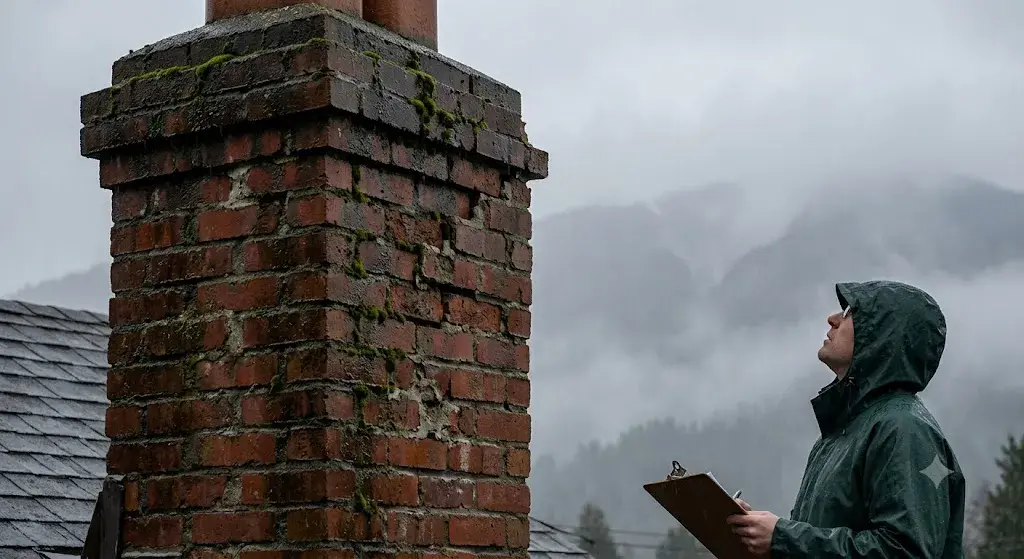
If you’ve been putting off chimney maintenance, you’re not alone — most Vancouver homeowners don’t think about their chimney until something goes wrong. But here’s the truth: knowing the best time to repair your chimney in Vancouver can save you hundreds of dollars, prevent structural damage, and keep your home safe before the cold and rain arrive. Vancouver’s coastal climate is uniquely harsh on masonry. Unlike drier inland regions of BC, the Lower Mainland deals with persistent moisture, freeze-thaw cycles, and heavy rainfall that accelerate chimney deterioration far faster than most homeowners realize. Cracked mortar joints, chimney flashing failures, and spalling bricks aren’t just cosmetic issues — left unaddressed, they allow water to penetrate the structure, leading to costly chimney repairs that could have been avoided with timely annual maintenance. In this guide, we break down every season — spring, summer, fall, and winter — so you know exactly when to schedule chimney repair in Vancouver, what to watch for, and why timing your repair smartly can work in your favour. Why Timing Your Chimney Repair Matters in Vancouver’s Climate Vancouver receives an average of 1,153 mm of rainfall annually — most of it falling between October and March. This prolonged wet season creates conditions that are particularly damaging to brick and mortar chimneys. Water infiltration through cracked chimney crowns, deteriorating flashing, or compromised mortar joints causes damage that compounds over time. The freeze-thaw cycle is especially destructive. When water seeps into small cracks in chimney brickwork and temperatures drop overnight, that water expands as it freezes. This process — repeated dozens of times each winter — causes brick spalling and mortar crumbling that weakens your chimney’s structural integrity season after season. For homeowners across Greater Vancouver, Burnaby, North Vancouver, and Surrey, scheduling annual chimney maintenance isn’t a luxury — it’s a practical investment in protecting your home from water damage and chimney fires. Pro Tip: Chimney professionals recommend scheduling your annual chimney inspection and any necessary repairs outside of the peak heating season. Spring and summer offer the best weather conditions, the widest contractor availability, and often the best pricing on chimney services in the Lower Mainland. Seasonal Overview: When to Repair Your Chimney in Vancouver Season Recommendation Booking Window Cost Advantage Spring (Mar–May) Best Time Book Early April Off-Peak Savings Summer (Jun–Aug) Excellent Jun–Jul Ideal Good Availability Fall (Sep–Nov) Book Fast Sep–Oct Only Peak Demand Winter (Dec–Feb) Emergency Only Limited Highest Cost Spring (March to May): The Best Time for Chimney Repair in Vancouver Spring is widely regarded as the optimal season to get your chimney repaired in Vancouver, and for good reason. By late March, the heaviest rains begin to taper off, temperatures warm enough for mortar and sealants to cure properly, and your chimney has just completed a full winter of exposure — making it the perfect time to assess damage. Why Spring Works Best If your chimney has been through a hard winter — or if you noticed any draft problems, leaks, or visible cracks during the heating season — spring is your window to address them without the urgency and cost premium of fall booking rushes. Summer (June to August): An Excellent Window for Major Chimney Work Summer in Vancouver — particularly June through July — represents an excellent opportunity for larger chimney restoration projects. Dry, warm conditions are ideal for mortar work, chimney rebuilds, chimney liner replacement, and any masonry repair that requires extended curing time away from moisture. What Makes Summer Ideal for Major Repairs One of the most overlooked advantages of summer chimney repair in Vancouver is lead time. Scheduling in June or July means you’re not competing with the September–October rush when every homeowner suddenly realises they haven’t had their chimney inspected before winter. Availability improves, pricing is more competitive, and you can plan the project on your timeline rather than someone else’s. If your chimney requires a partial or full rebuild, summer is non-negotiable. Structural masonry work requires consecutive dry days and consistent temperatures — conditions Vancouver simply cannot guarantee in November or December. Industry Note: WETT (Wood Energy Technology Transfer) inspections in Vancouver BC are often scheduled during summer months when fireplace usage is at its lowest. Combining a WETT inspection with any required chimney repair work can reduce overall service costs and ensure your system is fully certified before the heating season begins. Fall (September to November): Last Chance Before the Heating Season Fall is a popular time for chimney inspection and repair in Vancouver — but it comes with important caveats. September and early October still offer workable weather and reasonable contractor availability. However, as October progresses into November, rain returns and booking windows shrink dramatically. The Fall Booking Rush: What to Expect Every year, the same pattern plays out across the Greater Vancouver area. As temperatures drop in September, homeowners test their fireplaces for the first time in months — and discover issues. Drafts, smoke backing up into the room, visible cracks in the chimney, or water stains above the fireplace suddenly become urgent problems. This creates peak demand for chimney repair contractors across Vancouver, Burnaby, North Vancouver, Surrey, New Westminster, and Coquitlam. Wait times for bookings can stretch to several weeks, and pricing often reflects the urgency of demand. If you haven’t already scheduled your annual chimney maintenance before October, you risk heading into the wet season with unaddressed damage. Fall Repair: What’s Still Feasible Bottom line: if spring or summer has passed without a chimney inspection, don’t skip fall entirely. A September booking is far better than leaving chimney damage unaddressed through another Vancouver winter. Just act early — don’t wait until November. Winter (December to February): Emergency Chimney Repairs Only Winter in Vancouver is not an ideal time for routine chimney repair — and most reputable masonry contractors will tell you the same. Cold temperatures, persistent rain, and limited daylight create conditions where mortar work cannot cure properly, putting the quality and longevity of repairs at risk. That said, some chimney
Chimney Inspection Checklist for Vancouver Homeowners Before Winter
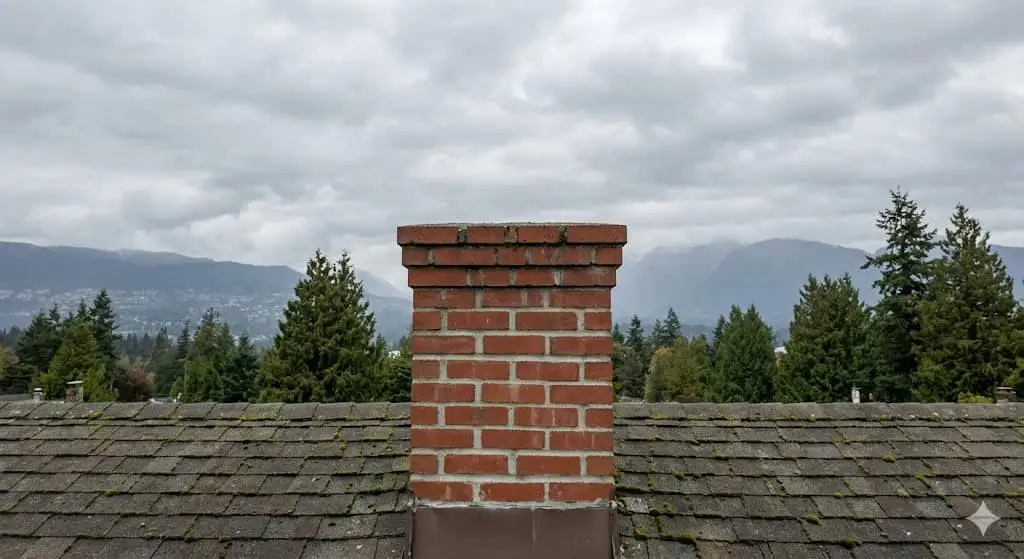
As the wet season rolls in across the Lower Mainland, most Vancouver homeowners are busy preparing their homes for months of cold, damp weather. Gutters get cleared, furnaces get serviced — but one critical system is often forgotten until it is too late: the chimney. Whether you have a wood-burning fireplace, a gas insert, or a masonry hearth that has been in the family for decades, following a proper chimney inspection checklist Vancouver homeowners can rely on is one of the most important things you can do before the heating season begins. Vancouver and the surrounding communities of Burnaby, Surrey, and New Westminster experience some of the most chimney-challenging weather in Canada. The combination of heavy rainfall, temperature fluctuations, and damp winters accelerates masonry wear, flashing corrosion, and creosote buildup — making pre-winter chimney inspections not just a recommendation, but a necessity. In this comprehensive guide, Red Brick Masonry walks you through everything included in a professional chimney inspection before winter, from the exterior crown to the firebox damper. You will also learn what to look for in a basic DIY walk-through, when to call a certified professional, and how to keep your chimney compliant and safe all season long. Why Pre-Winter Chimney Inspection Matters in Vancouver BC The Pacific Northwest climate is uniquely hard on chimneys. Unlike drier regions of Canada, Greater Vancouver’s persistent moisture, freeze-thaw cycles, and heavy rainfall create conditions that cause brick, mortar, and flashing to deteriorate faster than average. A pre-winter chimney inspection Vancouver homeowners schedule before October can reveal hidden damage that, if left unaddressed, creates serious fire and carbon monoxide risks once the fireplace is in regular use. Here is what the Greater Vancouver climate does to your chimney over time: Scheduling an annual chimney inspection Vancouver homeowners book in late summer or early fall ensures none of these issues catch you off guard during the coldest months of the year. How Often Should You Inspect Your Chimney in Vancouver? This is one of the most common questions we hear from homeowners across the Lower Mainland. The short answer is: at least once a year, no exceptions. The National Fire Protection Association (NFPA) and the Wood Energy Technology Transfer (WETT) program — Canada’s standard for solid fuel heating systems — both recommend annual chimney inspections regardless of how often you use your fireplace. In British Columbia, WETT-certified inspections are often required by insurance companies when selling a home or adding a wood-burning appliance. Here is a general guideline for Vancouver and Lower Mainland homeowners: Pro Tip: Booking your chimney inspection before the fall rush means faster scheduling and greater availability of certified masonry professionals across Vancouver, Burnaby, and Surrey. Understanding Chimney Inspection Levels: Level 1, Level 2, and Level 3 When you call a professional for a chimney inspection Vancouver BC, they will typically perform one of three standardized inspection levels defined by the NFPA 211 standard and recognized by WETT-certified technicians across British Columbia. Level 1 Chimney Inspection — The Annual Standard A Level 1 inspection is the most common type and is recommended for chimneys that have been used regularly without any known issues. During this inspection, a certified technician examines all readily accessible interior and exterior components of the chimney, including: For most Vancouver homeowners who use their fireplace each winter, a Level 1 inspection covers everything needed to confirm the chimney is safe, structurally sound, and free of obstructions. Level 2 Chimney Inspection — For Changes or Real Estate Transactions A Level 2 inspection includes everything in Level 1 and adds a more detailed examination of concealed or less-accessible areas, typically using a video camera inserted into the flue. This level is required when: Level 3 Chimney Inspection — For Serious Damage A Level 3 inspection is the most invasive and is only required when a Level 1 or Level 2 inspection has identified serious damage that cannot be assessed without partial demolition. This may include removing interior wall sections or chimney components to evaluate structural integrity. Level 3 inspections are uncommon but critical when chimney liners collapse or major cracks are found in concealed areas. The Complete Chimney Inspection Checklist for Vancouver Homeowners Use this chimney safety checklist homeowners can reference as a starting point for their own visual walk-through. Note that this is a supplement to — not a replacement for — a professional inspection by a WETT-certified technician. 1. Chimney Exterior — Start from the Outside Begin your inspection from the ground. Use binoculars if necessary to examine the upper portions of the chimney from a safe distance. Vancouver’s rainfall and winter conditions make exterior deterioration particularly common in older masonry chimneys across Burnaby, New Westminster, and Surrey. 2. Chimney Flashing — A Critical Check for Vancouver’s Rainy Season Chimney flashing inspection is especially important for Vancouver homeowners given the region’s average annual rainfall of over 1,150 mm. Flashing is the metal seal that bridges the gap between the chimney and the roof. Failed or corroded flashing is one of the most common causes of water damage in Lower Mainland homes. Warning: Never ignore water stains near the chimney on interior ceilings or walls. In Vancouver’s climate, a small flashing leak can cause significant structural damage to rafters, insulation, and drywall within a single rainy season. 3. Chimney Flue — Inspect for Blockages and Creosote Buildup The flue is the interior channel that carries smoke and combustion gases out of your home. A chimney flue inspection BC homeowners perform at home can catch obvious issues, but a professional camera inspection is the only way to assess the full length of the liner. 4. Damper — Your Fireplace’s Airflow Control The damper is the moveable plate inside the flue, just above the firebox, that controls airflow. A properly functioning damper is essential for both fire safety and energy efficiency — especially in Vancouver winters when heat retention matters. 5. Firebox — The Heart of Your Fireplace The firebox is the chamber where combustion takes place. Any
How Vancouver’s Rainy Climate Damages Chimneys Faster Than You Think
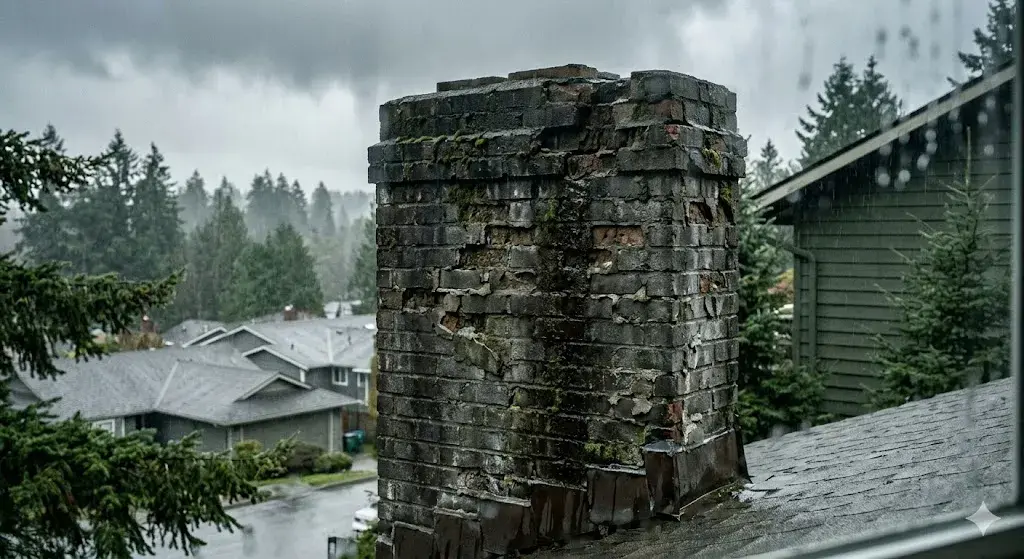
If you own a home in Vancouver, you already know the rain isn’t just a season — it’s a lifestyle. Between October and March, the city can see rain on more than half the days in a month, and that constant moisture doesn’t just soak your garden. It seeps, slowly and quietly, into one of the most overlooked parts of your home: your chimney. Most homeowners assume chimney problems come from fire, soot, or age. In reality, water is the single biggest cause of chimney damage in Vancouver, and it works far faster than most people expect. A chimney that looks structurally fine from the ground can be losing integrity brick by brick, season after season, simply because of how much rain it absorbs. This guide breaks down exactly how rainy climate chimney damage happens, what to watch for, and how to protect your chimney before a small leak turns into a expensive structural repair. Why Vancouver’s Climate Is Uniquely Hard on Chimneys Not all rain is created equal when it comes to masonry. Vancouver’s specific combination of weather conditions makes it one of the toughest environments in Canada for chimney longevity. A few factors stack up against your chimney here: This is what’s often referred to as BC coastal climate stress — a slow, cumulative wear pattern that’s very different from the damage seen in drier provinces. A chimney in Calgary might crack from sudden freezes. A chimney in Vancouver is more likely to fail from years of quiet water absorption. How Rain Damages Chimneys in Vancouver: The Science Behind It To understand chimney water damage in Vancouver, it helps to know what’s actually happening at a material level. Brick and mortar are porous. They’re designed to handle some moisture, but not constant saturation. When rain hits an unprotected or aging chimney, several things happen: This breakdown process has names that chimney professionals use regularly: Both spalling and efflorescence are visual warning signs that chimney moisture damage is already underway, even if the chimney still looks “fine” from a distance. Signs of Water Damage in a Chimney You Shouldn’t Ignore One of the most common questions homeowners ask is: how do I know if my chimney has water damage? Unfortunately, chimney damage isn’t always obvious from the ground, which is part of why it tends to worsen before anyone notices. Here are the most reliable signs of water damage in a chimney: If you notice even one of these signs, it’s worth scheduling a professional chimney inspection in Vancouver rather than waiting. Water damage compounds — a small crack today becomes a structural issue within one or two more rainy seasons. The Most Common Areas of Chimney Water Damage Not every part of a chimney is equally vulnerable. In Vancouver’s climate, damage tends to concentrate in a few predictable spots. 1. The Chimney Crown The crown is the concrete slab at the top of the chimney, and it’s the first line of defense against rain. Over time, chimney crown cracks develop from constant exposure and temperature shifts. Once water gets through the crown, it has a direct path into the chimney’s interior structure. Chimney crown repair is one of the most common — and most cost-effective — fixes when caught early. 2. Flashing Flashing is the metal barrier where your chimney meets the roof. It’s designed to keep water from running down into your attic or walls. In Vancouver, flashing tends to wear out faster due to constant moisture exposure and coastal air corrosion. A failed seal here is one of the leading causes of a roof flashing leak, and chimney flashing repair is frequently needed well before the chimney itself shows visible damage. 3. The Chimney Cap A chimney cap sits over the flue opening and prevents rain from pouring directly down into the chimney. Homes without a properly fitted cap are far more prone to interior moisture buildup, liner damage, and even mold growth. Chimney cap installation in Vancouver is one of the simplest preventative upgrades a homeowner can make. 4. Mortar Joints Mortar between bricks is more porous than the bricks themselves, making it an early failure point. Once joints erode, water moves freely into the wall structure, accelerating overall masonry chimney damage. 5. The Flue Liner Hidden from view, the liner protects your home from heat and gases. Persistent moisture exposure leads to liner cracking or corrosion, which isn’t always visible until a chimney sweep performs a camera inspection. The Effects of Freeze-Thaw Cycles on Chimneys While Vancouver’s winters are mild compared to the rest of Canada, the city still experiences freeze-thaw cycles, particularly overnight in late fall and winter, and more frequently at higher elevations like the North Shore. Here’s why this matters: it’s not the cold itself that destroys chimneys — it’s the cycling. When water inside brick or mortar freezes, it expands by roughly 9%. As temperatures rise again, the ice melts and the material contracts. Repeat this dozens of times each winter, and you get a slow but steady widening of cracks. This is why a chimney that’s been steadily absorbing rain all autumn is especially vulnerable once the first cold snap hits. The moisture that built up over weeks of wet weather becomes the fuel for freeze-thaw cracking. In Vancouver, this typically shows up as: Does Vancouver Weather Affect Chimney Lifespan? In short: yes, significantly. A well-built, well-maintained chimney can last 50 years or more in a dry climate. In Vancouver’s rainy, humid conditions, an unmaintained chimney can show serious structural issues in half that time, sometimes sooner if it lacks a cap, has damaged flashing, or was built with lower-quality materials. Chimney lifespan in this climate comes down to three factors: This is why chimney maintenance in a rainy climate isn’t optional upkeep — it’s the deciding factor in whether your chimney lasts decades or needs a costly rebuild within 15–20 years. How to Prevent Chimney Water Damage in Wet Climates The good news: most rain-related chimney damage