
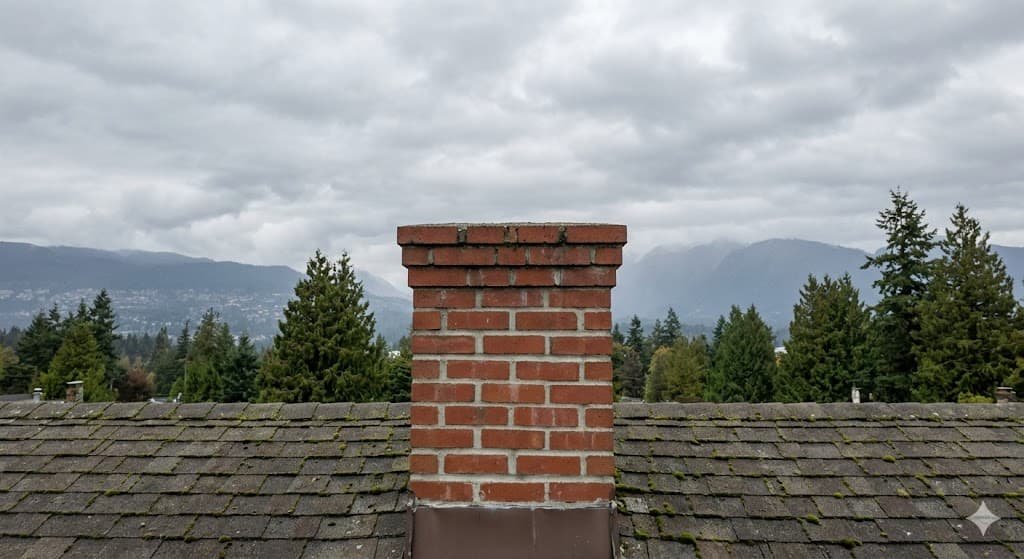
As the wet season rolls in across the Lower Mainland, most Vancouver homeowners are busy preparing their homes for months of cold, damp weather. Gutters get cleared, furnaces get serviced — but one critical system is often forgotten until it is too late: the chimney. Whether you have a wood-burning fireplace, a gas insert, or a masonry hearth that has been in the family for decades, following a proper chimney inspection checklist Vancouver homeowners can rely on is one of the most important things you can do before the heating season begins.
Vancouver and the surrounding communities of Burnaby, Surrey, and New Westminster experience some of the most chimney-challenging weather in Canada. The combination of heavy rainfall, temperature fluctuations, and damp winters accelerates masonry wear, flashing corrosion, and creosote buildup — making pre-winter chimney inspections not just a recommendation, but a necessity.
In this comprehensive guide, Red Brick Masonry walks you through everything included in a professional chimney inspection before winter, from the exterior crown to the firebox damper. You will also learn what to look for in a basic DIY walk-through, when to call a certified professional, and how to keep your chimney compliant and safe all season long.
Why Pre-Winter Chimney Inspection Matters in Vancouver BC
The Pacific Northwest climate is uniquely hard on chimneys. Unlike drier regions of Canada, Greater Vancouver’s persistent moisture, freeze-thaw cycles, and heavy rainfall create conditions that cause brick, mortar, and flashing to deteriorate faster than average. A pre-winter chimney inspection Vancouver homeowners schedule before October can reveal hidden damage that, if left unaddressed, creates serious fire and carbon monoxide risks once the fireplace is in regular use.
Here is what the Greater Vancouver climate does to your chimney over time:
- Moisture intrusion: Rain seeps into micro-cracks in the chimney crown and mortar joints. When temperatures drop below zero in Burnaby or Surrey, that moisture freezes, expands, and widens cracks — a cycle that compounds every winter.
- Creosote buildup: When wood is burned in a damp or cold chimney, incomplete combustion leaves creosote deposits on the flue walls. Creosote is highly flammable and is a leading cause of chimney fires.
- Wildlife and debris: Birds, raccoons, and squirrels are common in Greater Vancouver. Uncapped chimneys can become nesting sites that block the flue entirely, backing dangerous gases into your home.
- Flashing failure: Vancouver’s rainfall puts constant pressure on chimney flashing — the metal seal between your chimney and roof. Failed flashing is one of the most common causes of water intrusion in Lower Mainland homes.
Scheduling an annual chimney inspection Vancouver homeowners book in late summer or early fall ensures none of these issues catch you off guard during the coldest months of the year.
How Often Should You Inspect Your Chimney in Vancouver?
This is one of the most common questions we hear from homeowners across the Lower Mainland. The short answer is: at least once a year, no exceptions.
The National Fire Protection Association (NFPA) and the Wood Energy Technology Transfer (WETT) program — Canada’s standard for solid fuel heating systems — both recommend annual chimney inspections regardless of how often you use your fireplace. In British Columbia, WETT-certified inspections are often required by insurance companies when selling a home or adding a wood-burning appliance.
Here is a general guideline for Vancouver and Lower Mainland homeowners:
- Heavy fireplace users (3+ times per week): Annual inspection plus a chimney sweep at the end of the season.
- Occasional fireplace users (1-2 times per week): Annual inspection before the heating season begins, ideally in September or October.
- Seldom-used or decorative fireplaces: Annual inspection is still strongly recommended. Unused chimneys can accumulate moisture, debris, and animal nests just as quickly.
- After a chimney fire or structural event: A Level 2 or Level 3 inspection must be performed immediately before any further use.
| Pro Tip: Booking your chimney inspection before the fall rush means faster scheduling and greater availability of certified masonry professionals across Vancouver, Burnaby, and Surrey. |
Understanding Chimney Inspection Levels: Level 1, Level 2, and Level 3
When you call a professional for a chimney inspection Vancouver BC, they will typically perform one of three standardized inspection levels defined by the NFPA 211 standard and recognized by WETT-certified technicians across British Columbia.
Level 1 Chimney Inspection — The Annual Standard
A Level 1 inspection is the most common type and is recommended for chimneys that have been used regularly without any known issues. During this inspection, a certified technician examines all readily accessible interior and exterior components of the chimney, including:
- The chimney structure, bricks, and mortar joints
- The chimney cap and crown
- The flue liner condition
- The firebox and damper
- The presence of creosote, soot, or blockages
For most Vancouver homeowners who use their fireplace each winter, a Level 1 inspection covers everything needed to confirm the chimney is safe, structurally sound, and free of obstructions.
Level 2 Chimney Inspection — For Changes or Real Estate Transactions
A Level 2 inspection includes everything in Level 1 and adds a more detailed examination of concealed or less-accessible areas, typically using a video camera inserted into the flue. This level is required when:
- You are buying or selling a home in Vancouver, Burnaby, Surrey, or anywhere in the Lower Mainland
- You have changed the fuel type or appliance connected to the chimney
- The chimney has experienced damage from an earthquake, storm, or nearby fire
- You want WETT certification for insurance or home sale purposes
Level 3 Chimney Inspection — For Serious Damage
A Level 3 inspection is the most invasive and is only required when a Level 1 or Level 2 inspection has identified serious damage that cannot be assessed without partial demolition. This may include removing interior wall sections or chimney components to evaluate structural integrity. Level 3 inspections are uncommon but critical when chimney liners collapse or major cracks are found in concealed areas.
The Complete Chimney Inspection Checklist for Vancouver Homeowners
Use this chimney safety checklist homeowners can reference as a starting point for their own visual walk-through. Note that this is a supplement to — not a replacement for — a professional inspection by a WETT-certified technician.
1. Chimney Exterior — Start from the Outside
Begin your inspection from the ground. Use binoculars if necessary to examine the upper portions of the chimney from a safe distance. Vancouver’s rainfall and winter conditions make exterior deterioration particularly common in older masonry chimneys across Burnaby, New Westminster, and Surrey.
- Chimney cap: Is the chimney cap present and intact? The cap prevents rain, debris, and animals from entering the flue. A missing or cracked cap is one of the most common findings during a chimney cap inspection before winter in BC.
- Chimney crown: The concrete crown sits atop the chimney and directs water away from the flue opening. Look for cracks, chips, or gaps. Even hairline cracks in Vancouver’s wet climate will worsen rapidly through freeze-thaw cycles.
- Mortar joints: Examine the mortar between bricks. Crumbling, missing, or deeply recessed mortar is a sign of spalling and moisture infiltration — a masonry chimney crack inspection for Greater Vancouver homes should cover every visible mortar joint.
- Brick surface: Look for white staining (efflorescence), which indicates water is moving through the masonry. Spalling bricks — those with surfaces flaking off — require immediate attention.
- Chimney lean or shift: Stand back and sight down the chimney line. Any visible lean or separation from the roof structure is a structural emergency requiring immediate professional assessment.
2. Chimney Flashing — A Critical Check for Vancouver’s Rainy Season
Chimney flashing inspection is especially important for Vancouver homeowners given the region’s average annual rainfall of over 1,150 mm. Flashing is the metal seal that bridges the gap between the chimney and the roof. Failed or corroded flashing is one of the most common causes of water damage in Lower Mainland homes.
- Check that step flashing (along the sides) and counter flashing (embedded in the chimney) are both intact and properly overlapping
- Look for rust stains, gaps, or lifting metal
- Inspect the interior ceiling and walls directly below the chimney for water stains — these are often the first visible sign of flashing failure
- Check that sealant at flashing edges has not dried, cracked, or separated
| Warning: Never ignore water stains near the chimney on interior ceilings or walls. In Vancouver’s climate, a small flashing leak can cause significant structural damage to rafters, insulation, and drywall within a single rainy season. |
3. Chimney Flue — Inspect for Blockages and Creosote Buildup
The flue is the interior channel that carries smoke and combustion gases out of your home. A chimney flue inspection BC homeowners perform at home can catch obvious issues, but a professional camera inspection is the only way to assess the full length of the liner.
- Visible blockages: Using a flashlight, look up into the flue from inside the firebox. Bird nests, leaf debris, or animal carcasses can completely obstruct airflow and create immediate carbon monoxide risks.
- Creosote buildup inspection: Look for black, tar-like deposits or thick powdery soot on the flue walls. Light grey ash is normal; thick black deposits indicate incomplete combustion and a fire hazard. In Vancouver BC, damp wood and cold chimney starts accelerate creosote formation.
- Flue liner condition: Damaged or missing sections of the terracotta or stainless steel liner allow heat and combustion gases to escape into the wall cavity — a serious fire and carbon monoxide hazard.
- Draft test: Hold a lit match or smoke pencil near the firebox opening. Smoke should draw upward into the flue. If it drifts into the room, there is a draft or ventilation problem.
4. Damper — Your Fireplace’s Airflow Control
The damper is the moveable plate inside the flue, just above the firebox, that controls airflow. A properly functioning damper is essential for both fire safety and energy efficiency — especially in Vancouver winters when heat retention matters.
- Open and close the damper fully — it should move smoothly without resistance
- When fully closed, the damper should form a tight seal. Place your hand above the closed damper: if you feel cold air, the seal has failed
- Check for rust, corrosion, or warping that prevents proper operation
- A broken or stuck damper wastes significant heat and should be repaired before the heating season begins
5. Firebox — The Heart of Your Fireplace
The firebox is the chamber where combustion takes place. Any structural compromise here can allow flames to reach combustible building materials.
- Brick and refractory panels: Inspect for cracks, crumbling, or missing mortar in the firebox walls. Fine cracks are normal over time, but wide or deep cracks in the back wall are serious.
- Fireplace grate: Ensure the grate is solid and not corroded through. A collapsed grate can allow burning logs to shift forward toward the room.
- Smoke shelf and smoke chamber: These components sit just above the damper. Creosote or debris buildup here can ignite during a hot fire.
- Lintel bar: The metal bar spanning the top of the firebox opening should be straight and rust-free. A sagging lintel requires immediate professional repair.
6. Carbon Monoxide and Smoke Detection — Non-Negotiable Safety Steps
Carbon monoxide chimney safety for Vancouver homeowners goes beyond the chimney itself. An obstructed or cracked flue can allow CO — a colourless, odourless gas — to backdraft into your living space. Before lighting your first fire of the season:
- Test all carbon monoxide detectors and replace batteries
- Ensure CO detectors are located on every level of the home and within 5 metres of sleeping areas
- Test smoke detectors and replace any that are more than 10 years old
- Make sure windows in the room can be opened quickly in an emergency
DIY Chimney Inspection vs. Professional Chimney Inspection Vancouver
Many Vancouver homeowners wonder whether they can inspect their own chimney or whether they need to hire a professional. The honest answer is: both have a role to play.
What you can do yourself: A basic visual inspection from ground level and inside the firebox helps you identify obvious issues — missing chimney caps, visible cracks, damper problems, or heavy creosote deposits. The DIY chimney inspection checklist BC homeowners use is a great way to build awareness of your system’s condition between professional visits.
What requires a professional: Camera inspection of the full flue liner, assessment of concealed areas, WETT certification, creosote removal, mortar repointing, and structural repairs all require a certified chimney sweep or masonry professional. In Greater Vancouver and the Lower Mainland, these services are regulated and should be performed by qualified tradespeople.
A chimney inspection is not the same as a chimney sweep. The inspection assesses condition and safety; the sweep removes creosote, soot, and debris. Most Vancouver homeowners need both annually — the inspection first to assess what is needed, then the sweep to clean the system.
How Much Does Chimney Inspection Cost in Vancouver BC?
Chimney inspection costs in Vancouver BC vary depending on the inspection level, the age and complexity of the chimney, and whether additional services are required at the same appointment.
- Level 1 Inspection: Typically ranges from $150 to $300 CAD in the Greater Vancouver area. This covers a standard visual assessment of accessible components.
- Level 2 Inspection with Camera: Usually between $300 and $500 CAD. Camera inspection of the full flue adds time and equipment cost but provides much greater diagnostic detail.
- Level 2 + Chimney Sweep Combined: Most homeowners in Vancouver, Burnaby, and Surrey save money by booking the inspection and cleaning together. Expect $400 to $700 CAD depending on chimney size and creosote levels.
- WETT Inspection for Real Estate or Insurance: WETT-certified inspections typically cost $300 to $500 CAD in BC and generate a formal written report required by many insurers and lenders.
| Important: The chimney inspection cost in Vancouver BC is a small fraction of what chimney repairs or house fire damage costs. A cracked liner repair can run $1,500 to $5,000+, while water damage from failed flashing can cost tens of thousands to remediate. |
Signs Your Chimney Needs Inspection Before Winter
Beyond following an annual schedule, there are specific warning signs that mean your chimney needs a professional inspection before you light another fire — regardless of when you last had it serviced.
- Smoke backing into the room: If smoke enters your living space instead of drafting up the flue, there is likely a blockage, ventilation issue, or structural problem.
- Unusual odours: A strong smoky or musty smell from the fireplace when it is not in use often indicates creosote buildup, moisture intrusion, or animal nesting inside the flue.
- Visible cracks or crumbling mortar: Any new cracks in the exterior masonry or firebox walls that were not present at your last inspection warrant immediate professional evaluation.
- Water stains inside the home: Ceiling or wall stains near the chimney chase indicate flashing failure or crown damage — common in older Vancouver homes after a wet winter.
- White staining on exterior bricks (efflorescence): This white residue appears when water moves through masonry and deposits salts on the surface. It signals ongoing moisture infiltration.
- Damaged chimney cap or missing components: A cracked or missing cap should be addressed immediately before Vancouver’s fall rains arrive.
- Sounds of animals: Scratching, chirping, or fluttering sounds from inside the chimney indicate wildlife. Never light a fire if animals are present.
- Carbon monoxide alarm activating: If your CO detector sounds while the fireplace is in use, stop the fire immediately, ventilate the space, and call a professional before using the chimney again.
Special Considerations: Chimney Inspection for Older Homes in Vancouver
Many of the most beloved neighbourhoods in Greater Vancouver — East Van, Burnaby Heights, New Westminster, and parts of Surrey — are full of older homes built between the 1920s and 1970s. Chimney inspection for older homes in Vancouver requires particular attention to several issues that are less common in newer construction.
- Original terracotta flue liners: Many pre-1980 Vancouver homes have terracotta clay tile liners. These develop hairline cracks over decades and often require relining with a stainless steel insert — something only visible through a Level 2 camera inspection.
- Unlined chimneys: Some very old masonry chimneys were built without a dedicated flue liner. These are inherently unsafe for wood burning and require professional assessment before any use.
- Lead flashing: Older Vancouver homes may have lead flashing rather than modern aluminum or steel. Lead flashing is actually more durable but needs inspection for lifting, cracking, or deterioration.
- Masonry deterioration: Decades of Greater Vancouver rainfall mean that older chimney brickwork may have extensive mortar erosion that is not visible from a quick exterior glance. A masonry chimney crack inspection for Greater Vancouver’s older housing stock should be thorough and methodical.
- Non-standard dimensions: Older chimneys sometimes have irregular flue dimensions that do not comply with modern appliance venting requirements. If you have installed a new gas insert or wood stove in an older home, a professional assessment is mandatory.
Pre-Winter Chimney Maintenance Tips for Vancouver Homeowners
Beyond the formal inspection, there are several maintenance steps Vancouver homeowners can take to reduce wear and extend the life of their chimney system.
- Burn only dry, seasoned hardwood: Green or wet wood produces far more creosote than properly seasoned wood. In Vancouver’s wet climate, store firewood covered and elevated off the ground for at least one full year before burning.
- Never burn treated wood, garbage, or cardboard: These materials produce toxic smoke and accelerate creosote formation in ways that are difficult to reverse.
- Install a chimney cap if you do not have one: Given Vancouver’s rainfall and the prevalence of wildlife across the Lower Mainland, a quality stainless steel chimney cap is essential protection.
- Apply chimney waterproofing: Breathable masonry water repellent applied to the exterior of brick chimneys significantly reduces moisture absorption and slows mortar deterioration. This is especially valuable in the rainy Lower Mainland climate.
- Keep the area around the fireplace clear: Combustible materials should be kept at least one metre away from the firebox opening.
- Don’t over-fire: Excessively large or hot fires can crack the flue liner and firebox components. Build moderate, well-ventilated fires using the top-down burning method for cleaner combustion.
Chimney Inspection in Burnaby, Surrey and Across the Lower Mainland
Red Brick Masonry provides professional chimney inspection and masonry repair services across Greater Vancouver, with a focus on the communities where masonry chimneys are most prevalent. Whether you need a chimney inspection Burnaby homeowners trust, or a detailed assessment in Surrey, New Westminster, or Vancouver proper, our WETT-aware team brings local knowledge of regional climate conditions and common chimney failures to every inspection.
Communities we serve across the Lower Mainland:
- Vancouver (all neighbourhoods, including East Van, Kitsilano, and Point Grey)
- Burnaby (Burnaby Heights, Capitol Hill, Metrotown area)
- Surrey (Cloverdale, Panorama Ridge, South Surrey)
- New Westminster
- North Vancouver and West Vancouver
- Coquitlam, Port Coquitlam, and Port Moody
- Langley and Maple Ridge
Each community in the Lower Mainland presents slightly different chimney challenges depending on the age of housing stock, proximity to water, and local vegetation. Our team draws on years of experience with Greater Vancouver masonry to provide accurate, honest assessments and effective repairs.
Frequently Asked Questions — Chimney Inspection Before Winter in Vancouver
Do I need a chimney inspection before winter in Vancouver even if I rarely use my fireplace?
Yes. Even seldom-used or decorative chimneys in Vancouver BC should be inspected annually. Birds, raccoons, and squirrels nest in uncapped flues year-round. Moisture still enters through damaged crowns and flashing. And if you decide to use the fireplace on a cold January night without a prior inspection, you have no way of knowing whether the flue is blocked or the liner is cracked.
What is the difference between a chimney inspection and a chimney sweep in Vancouver?
A chimney inspection assesses the structural and functional condition of your chimney — checking for cracks, creosote levels, liner integrity, flashing, and draft. A chimney sweep physically removes the creosote, soot, debris, and blockages found during the inspection. Think of the inspection as the diagnosis and the sweep as the treatment. Most professionals in Vancouver and Burnaby recommend booking both at the same appointment.
How much does a chimney inspection cost in Vancouver BC?
A standard Level 1 chimney inspection in Vancouver BC typically costs between $150 and $300 CAD. Level 2 inspections with video camera cost $300 to $500 CAD. If combined with a chimney sweep service, the total cost is usually $400 to $700 CAD, which is excellent value given the cost of chimney repairs or fire damage remediation.
What is creosote and why is it dangerous?
Creosote is a flammable byproduct of incomplete wood combustion that accumulates on the interior walls of your chimney flue. It ranges in form from light, powdery soot to a thick, tar-like coating. Stage 3 creosote — the hardened, glazed form — is extremely difficult to remove and highly flammable. Creosote buildup is the primary cause of chimney fires in Canada. Vancouver BC homeowners who burn wet or unseasoned wood are at particular risk of accelerated creosote accumulation.
What is a WETT inspection and do I need one in BC?
WETT stands for Wood Energy Technology Transfer — a not-for-profit organization that establishes standards for solid fuel heating systems in Canada. A WETT inspection is performed by a certified inspector and results in a formal written report. In British Columbia, WETT inspections are frequently required by insurance companies when a solid fuel appliance is present in a home being bought, sold, or re-insured. If you have a wood-burning fireplace, stove, or insert in your Vancouver home, a WETT inspection is strongly recommended.
Can I do my own chimney inspection in BC?
A basic DIY chimney inspection checklist in BC can help you identify obvious issues — a missing chimney cap, visible cracks in the crown, or heavy creosote deposits at the firebox opening. However, a DIY inspection cannot replace a professional assessment. You cannot see the full length of the flue liner, assess the condition of concealed flashing, or evaluate draft performance without specialized tools. Use the chimney inspection checklist for Vancouver homeowners in this guide as a supplement to — not a substitute for — your annual professional inspection.
Book Your Pre-Winter Chimney Inspection with Red Brick Masonry
A properly maintained chimney is one of the most important safety systems in your Vancouver home. With Greater Vancouver’s wet winters, aging housing stock, and active wildlife, the stakes of skipping your annual chimney inspection checklist Vancouver routine are simply too high.
Whether you are in Burnaby, Surrey, New Westminster, or anywhere across the Lower Mainland, Red Brick Masonry delivers professional chimney inspection services backed by local masonry expertise. Our team assesses every component from the chimney cap and crown to the firebox and flashing — giving you a clear picture of your chimney’s condition and a straightforward plan for any repairs needed before winter arrives.
Do not wait until the first cold snap to discover your chimney has a problem. Book your pre-winter chimney inspection today and go into the heating season with complete peace of mind.
| Red Brick Masonry — Greater Vancouver’s Chimney and Masonry Specialists. Serving Vancouver, Burnaby, Surrey, New Westminster, and the Lower Mainland. Contact us today to schedule your annual chimney inspection before winter. |